
Optimal Timing for Assembly Services
Assembly service scheduling depends on various factors including project complexity, availability, and seasonal considerations. Proper timing can enhance efficiency and reduce delays. Understanding optimal periods ensures that assembly tasks are completed smoothly and within desired timeframes.
Spring and early summer often provide ideal weather conditions for outdoor assembly projects, reducing weather-related disruptions.
Scheduling assembly before major events or seasonal peaks ensures timely completion and minimizes last-minute rushes.
Aligning assembly with periods of resource availability can streamline processes and prevent delays.
Avoiding extreme weather seasons such as winter or peak summer heat can improve safety and efficiency.

Spring provides mild weather for outdoor assembly projects.

Indoor projects are best scheduled during less busy periods for convenience.

Coordinating with resource delivery schedules optimizes assembly timing.
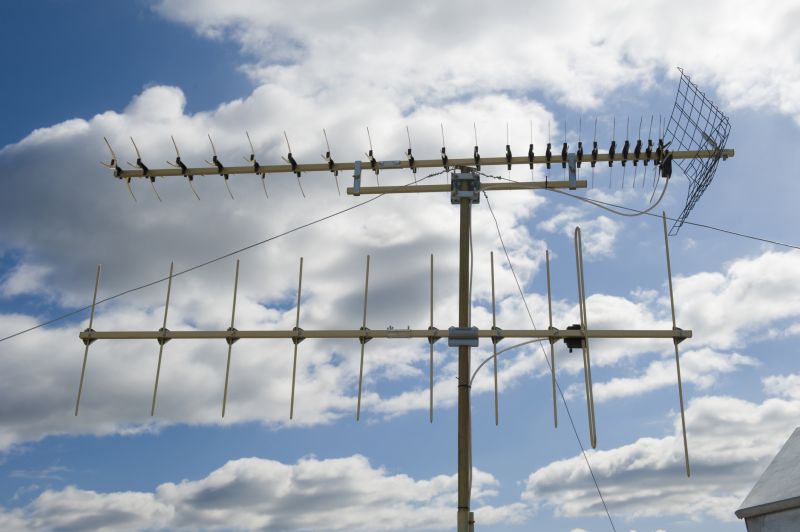
Monitoring weather forecasts helps in planning outdoor assembly activities.
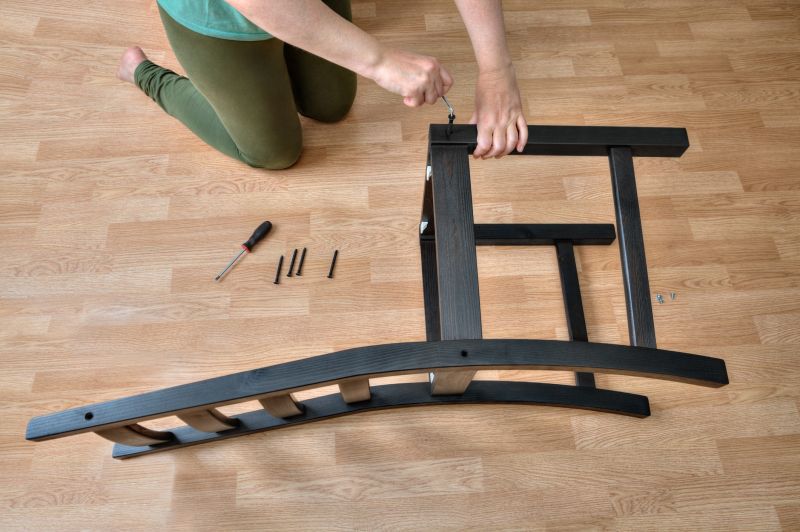
Ways to make Assembly Service work in tight or awkward layouts.

Popular materials for Assembly Service and why they hold up over time.

Simple add-ons that improve Assembly Service without blowing the budget.

High-end options that actually feel worth it for Assembly Service.
| Timing Factor | Best Practice |
|---|---|
| Season | Schedule during mild weather seasons like spring or early summer. |
| Project Deadline | Plan ahead to meet key completion dates. |
| Resource Availability | Coordinate with suppliers for timely delivery. |
| Weather Conditions | Avoid extreme weather periods for outdoor tasks. |
| Client Schedule | Align with client availability for smooth coordination. |
| Project Size | Larger projects benefit from early planning. |
| Seasonal Peaks | Avoid peak seasons to prevent delays. |
| Material Lead Time | Order materials well in advance to prevent delays. |
Assembly services are most effective when scheduled with careful consideration of environmental conditions, project timelines, and resource availability. Proper planning ensures that assembly tasks are completed efficiently, reducing the risk of delays and complications. Seasonal factors, such as weather patterns and resource cycles, significantly impact the success of assembly projects, especially for outdoor installations.
Statistics indicate that scheduling assembly during favorable weather conditions can increase productivity by up to 25 percent. Additionally, coordinating with resource availability reduces downtime and accelerates project completion. Planning ahead for seasonal variations and client schedules can lead to smoother operations and higher satisfaction.

Efficient outdoor assembly during optimal weather conditions.

Indoor projects scheduled during off-peak seasons.

Timely resource delivery supports seamless assembly.

Using weather forecasts to plan outdoor assembly activities.

Finishes and colors that play nicely with Assembly Service.

Little measurements that prevent headaches on Assembly Service day.

A 60-second routine that keeps Assembly Service looking new.

A frequent mistake in Assembly Service and how to dodge it.
Interested parties are encouraged to contact for scheduling or further information about assembly services. Proper timing can significantly impact project outcomes, making early planning and consultation essential for successful execution.